

THE FLÂNEUR
People don’t follow rules — they follow what feels safe.
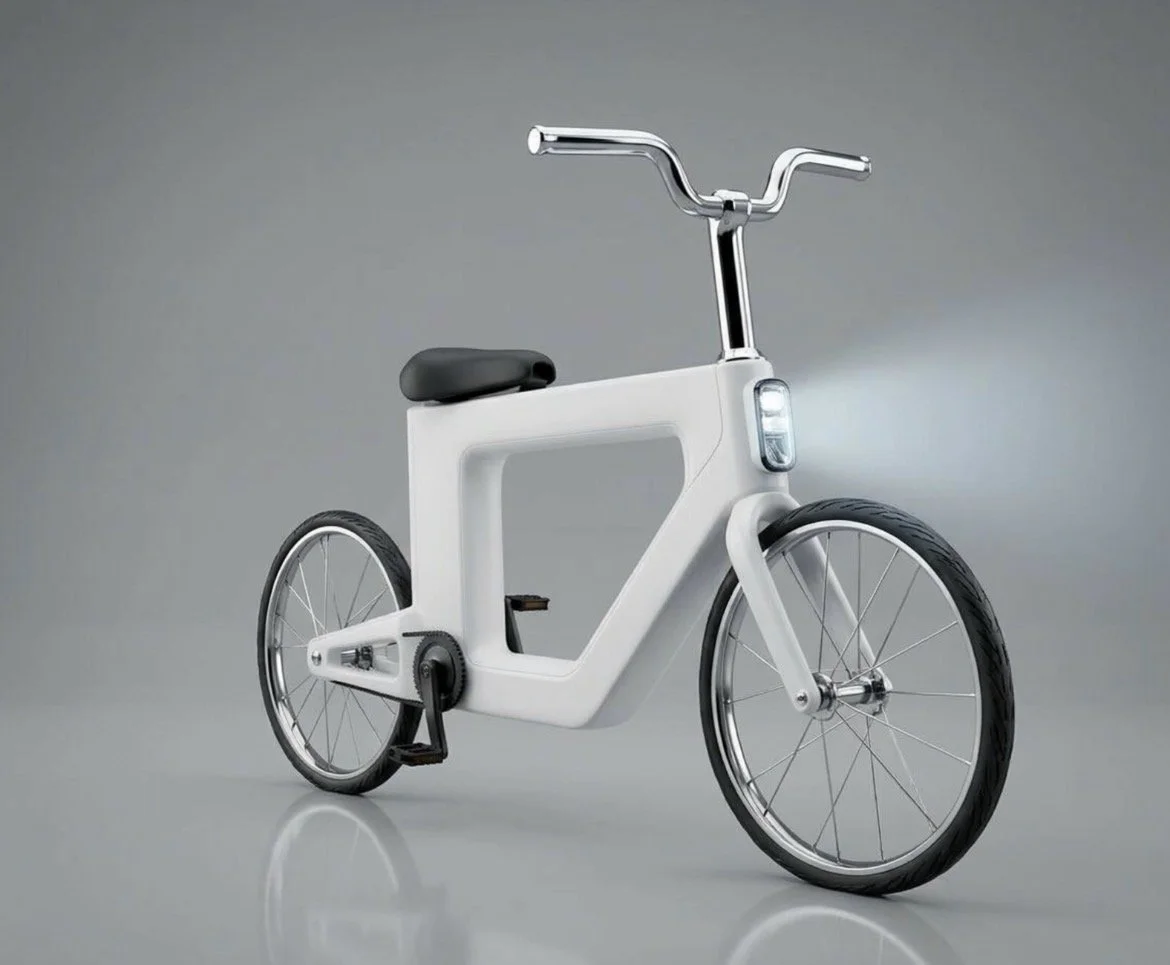
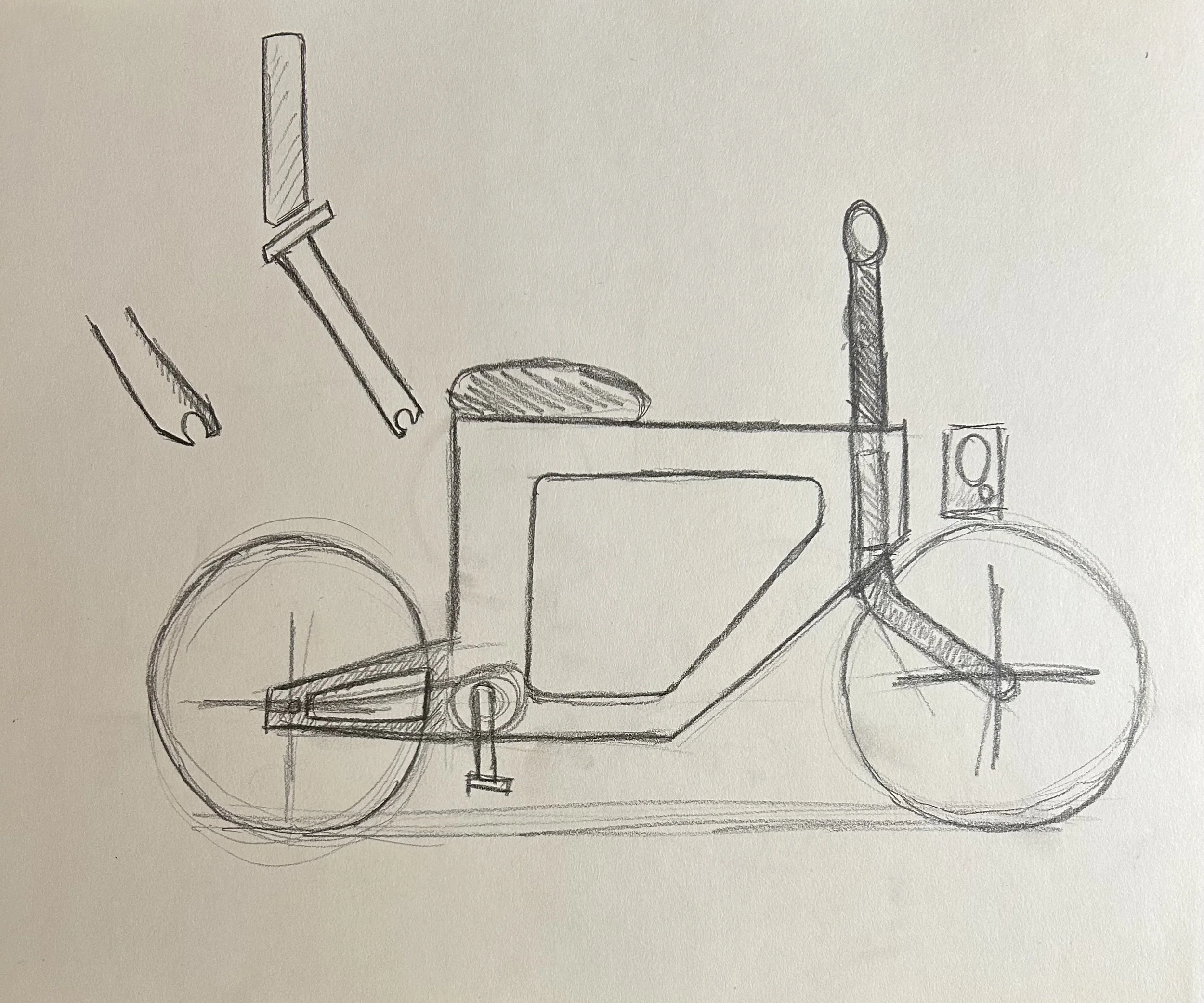
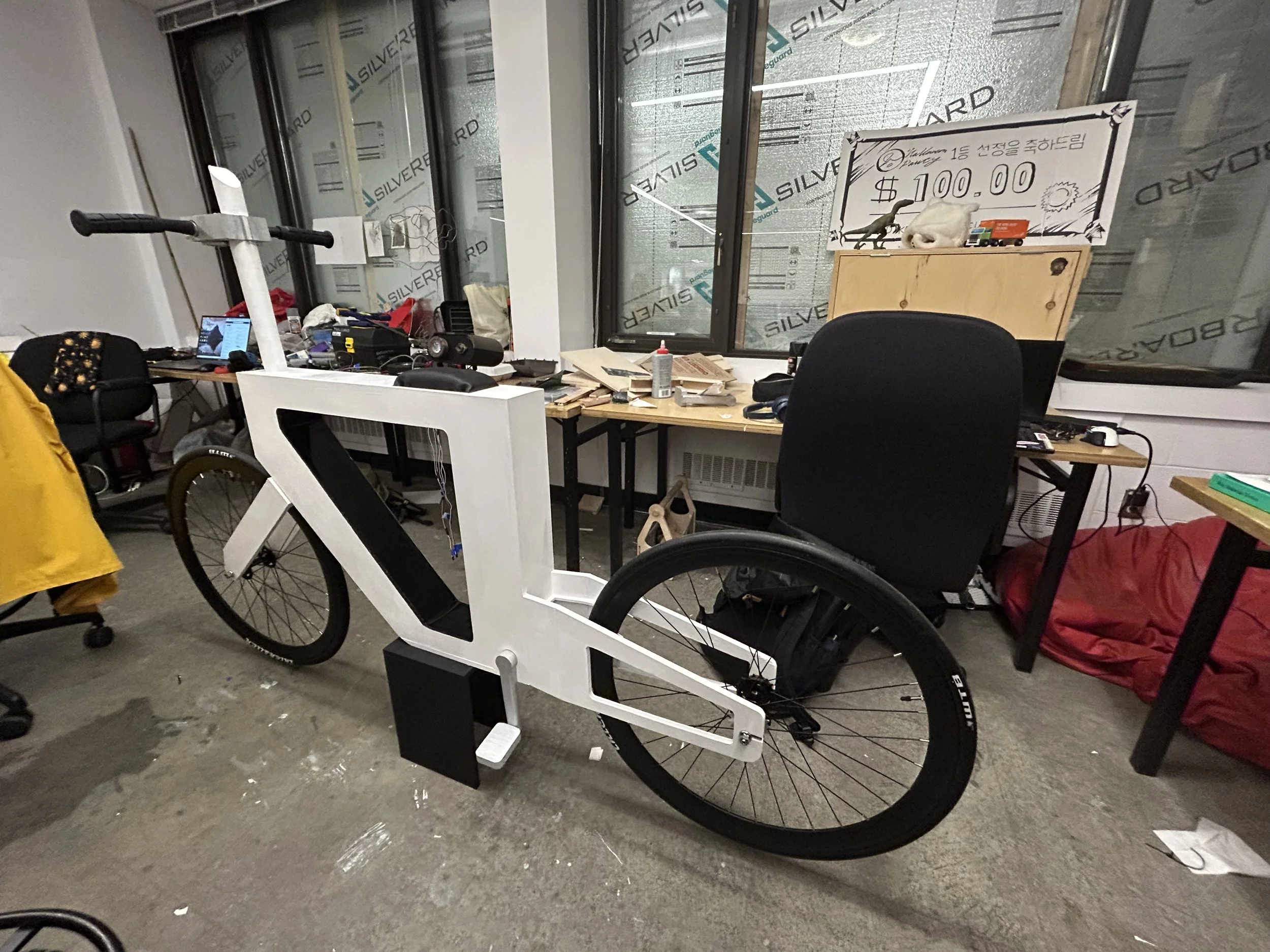
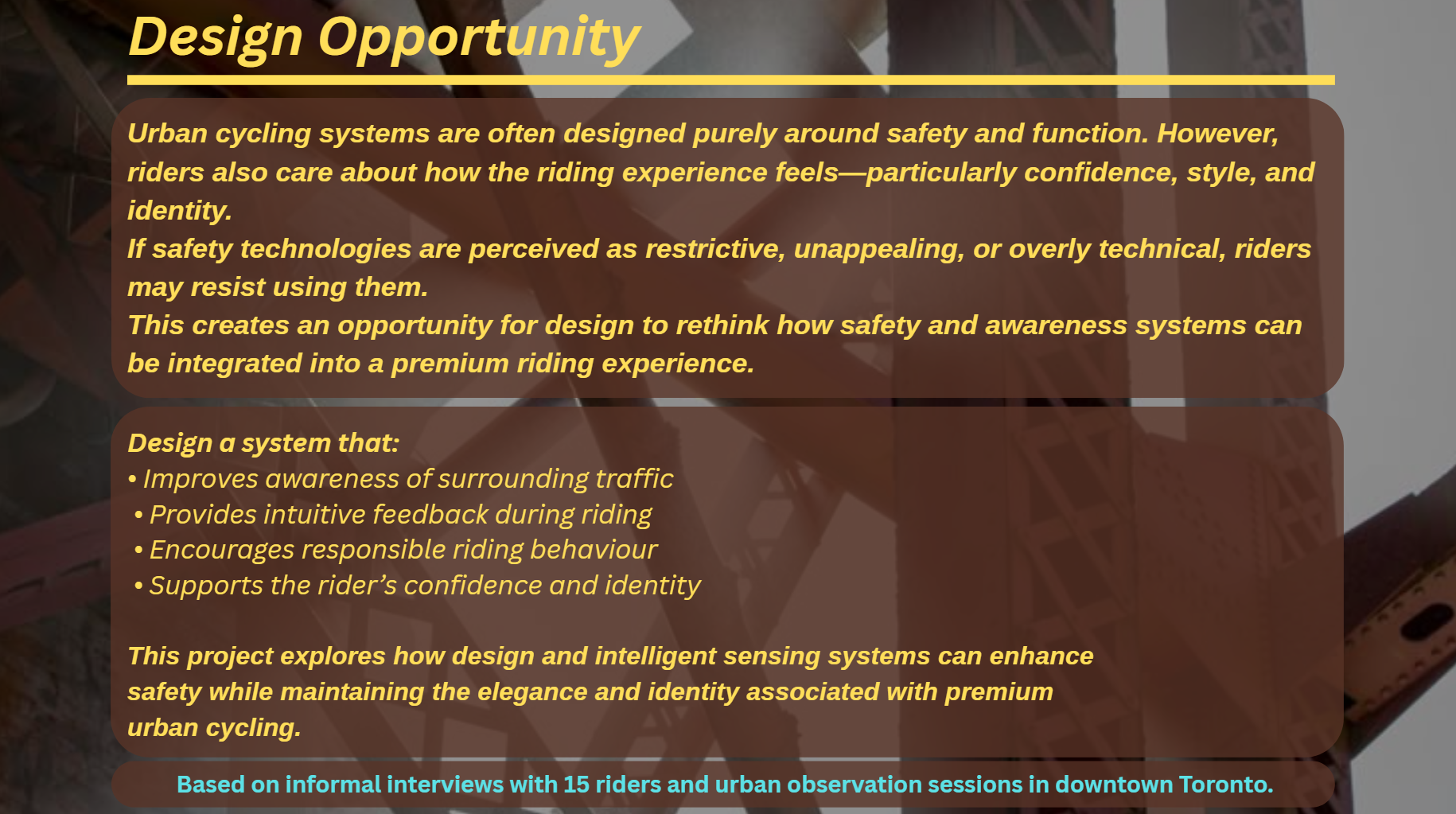
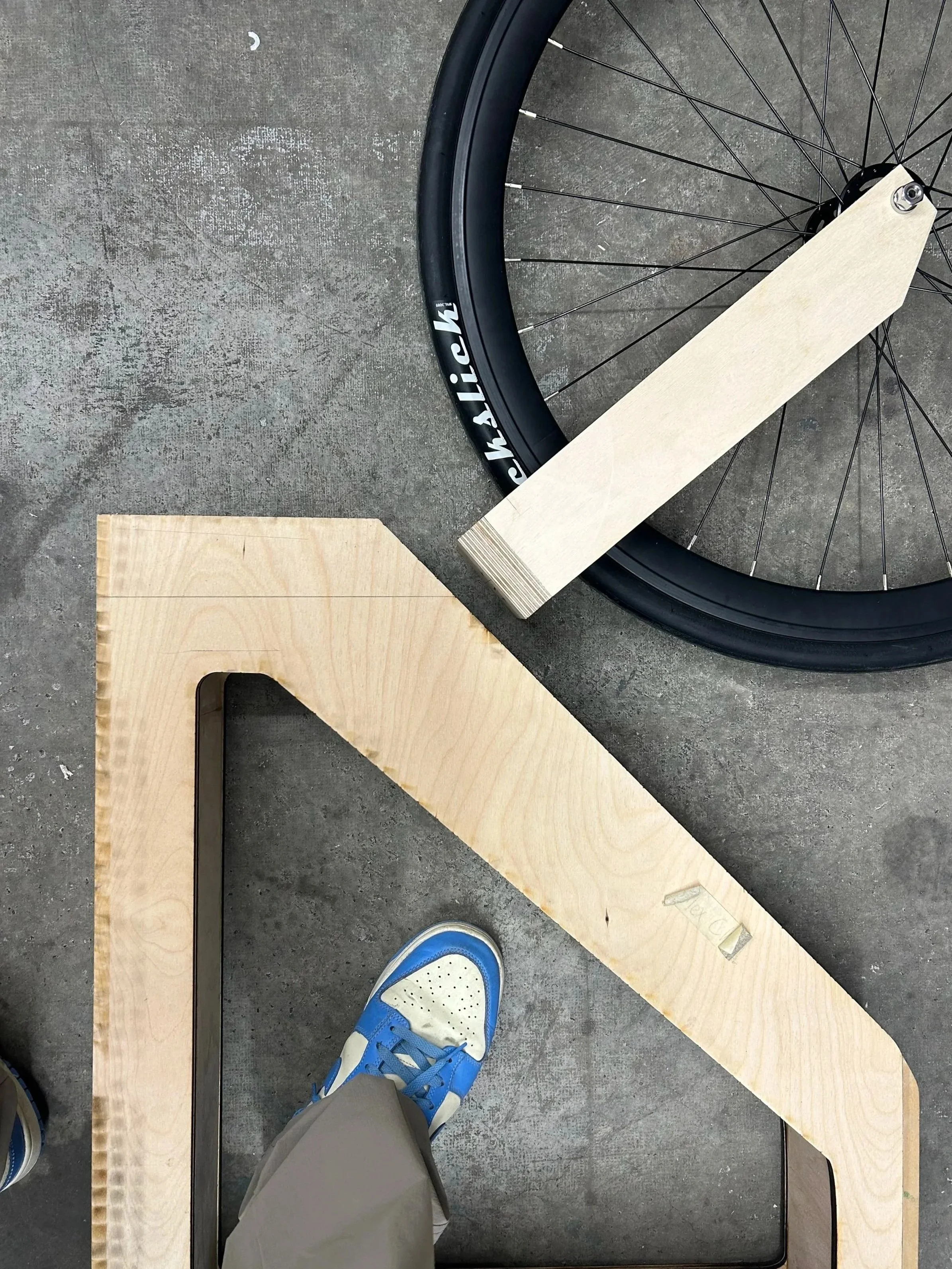
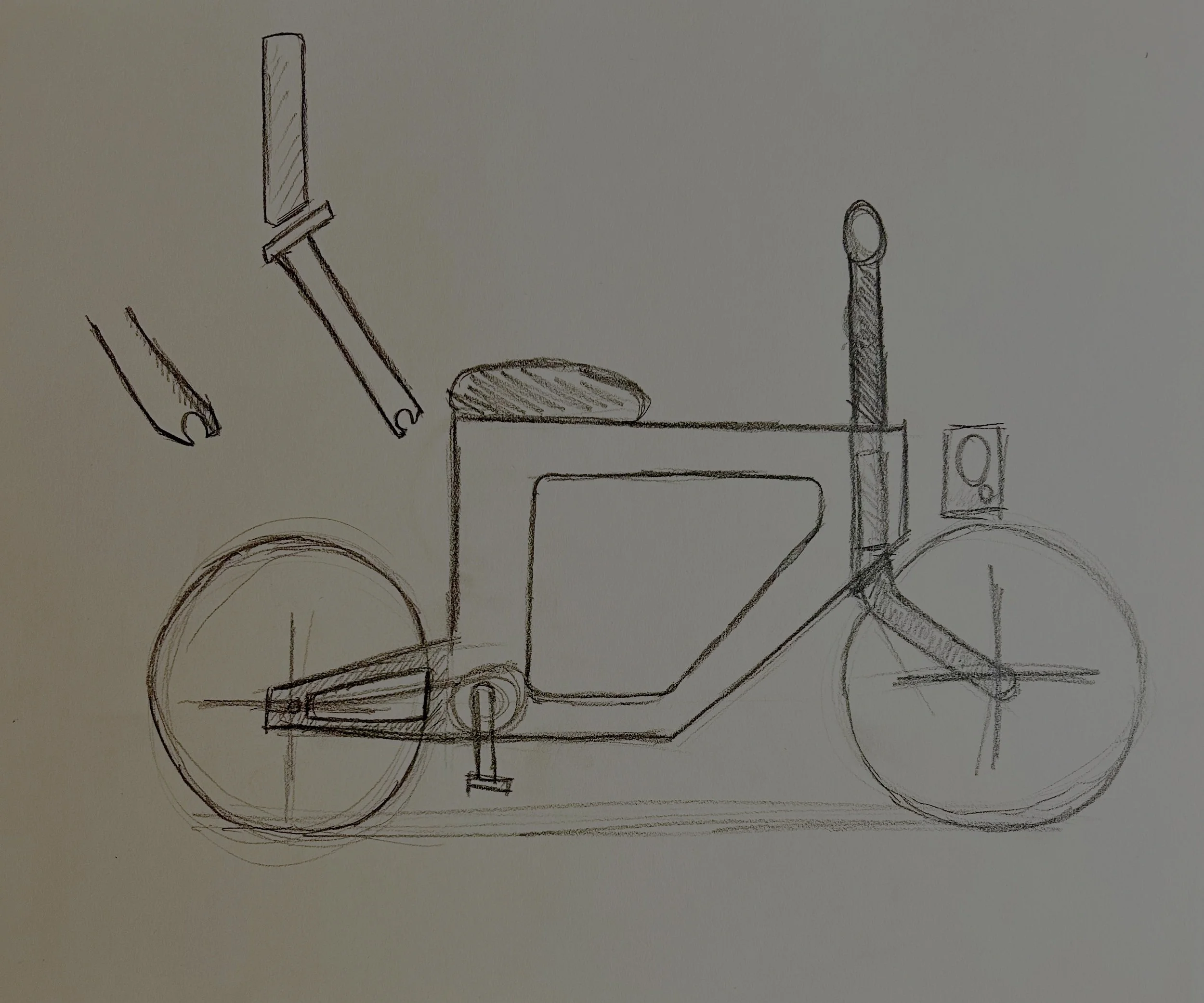
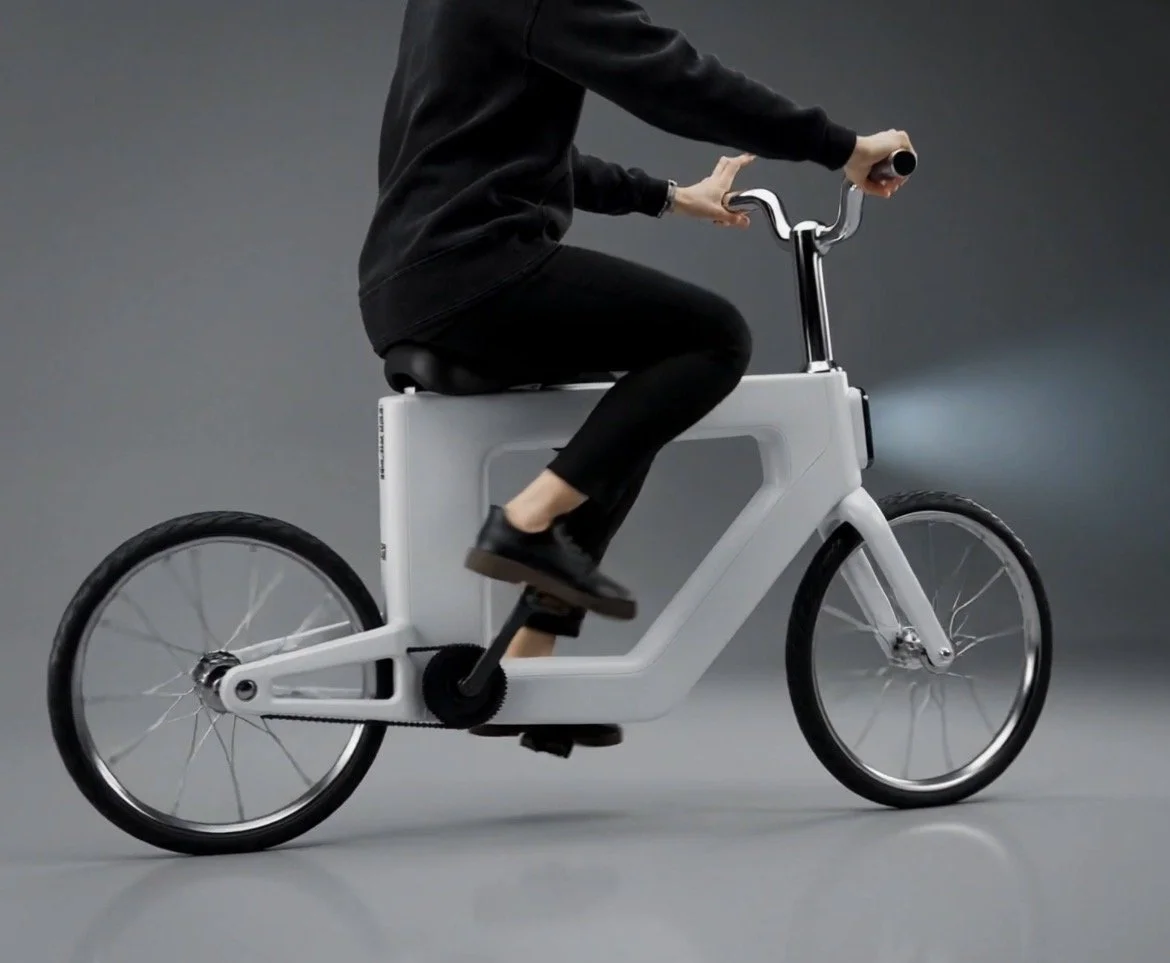
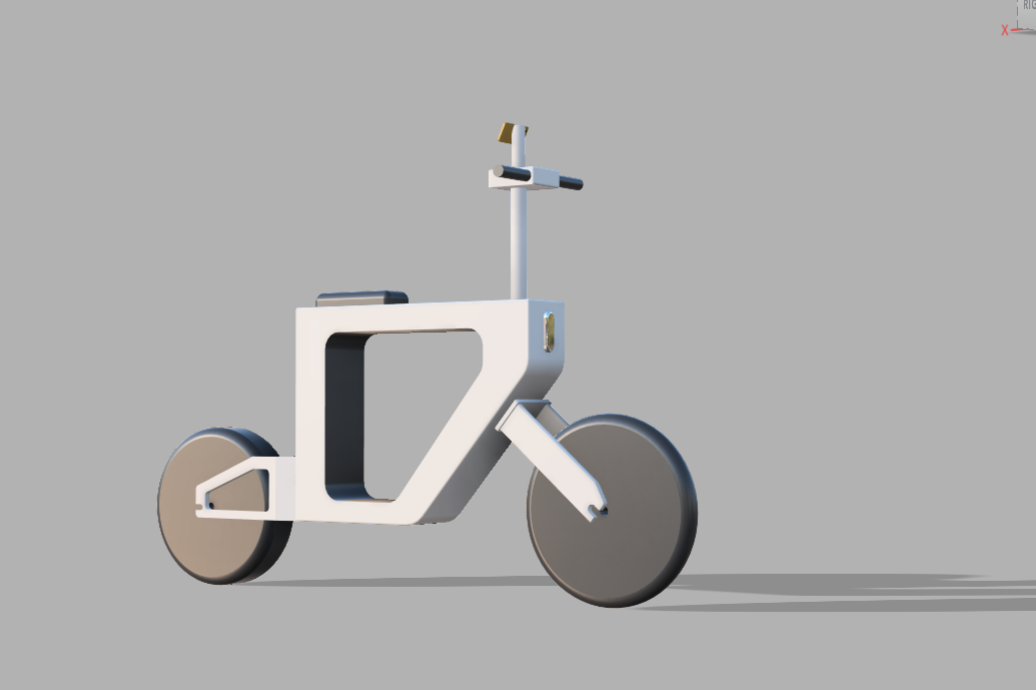
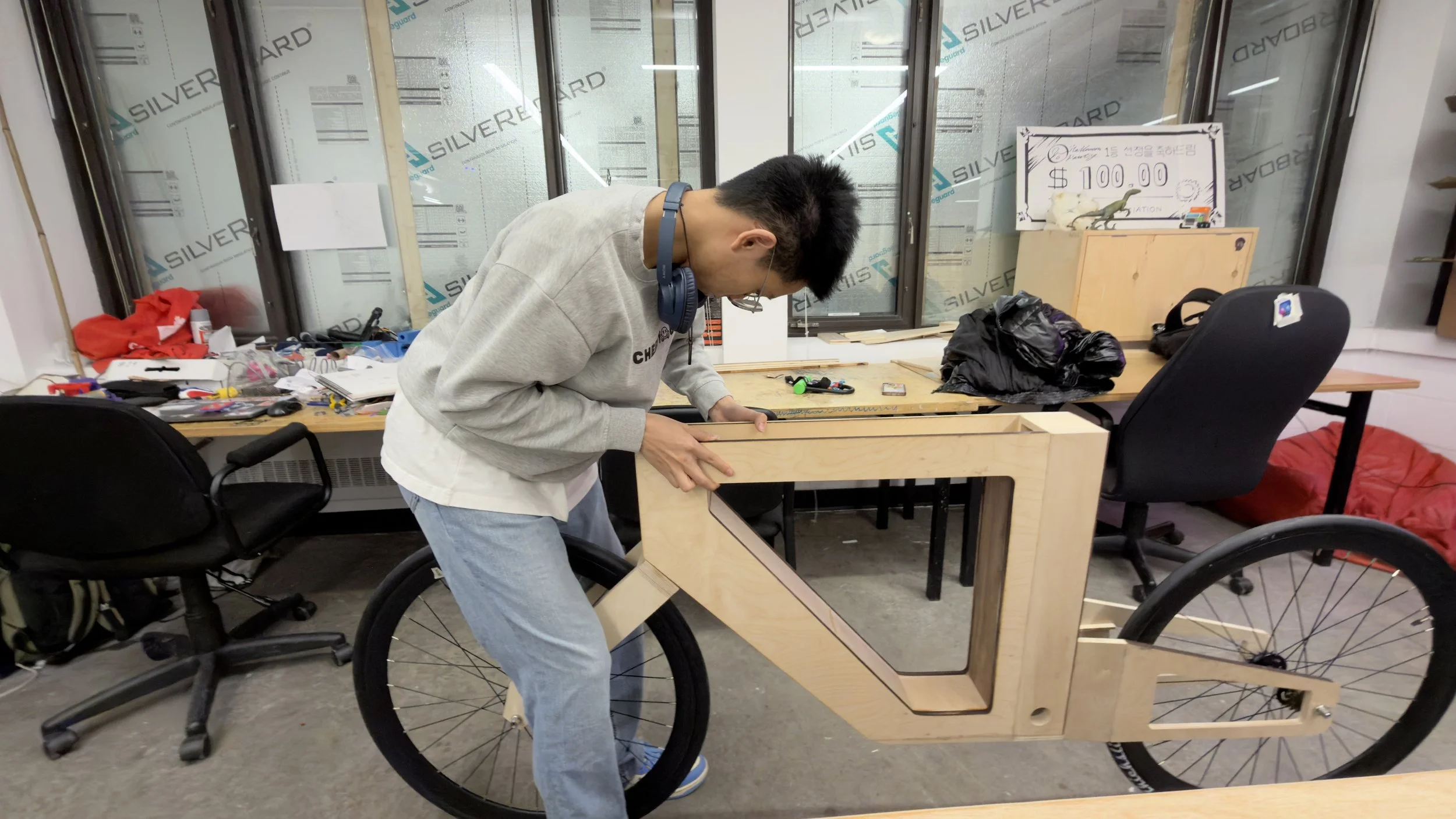
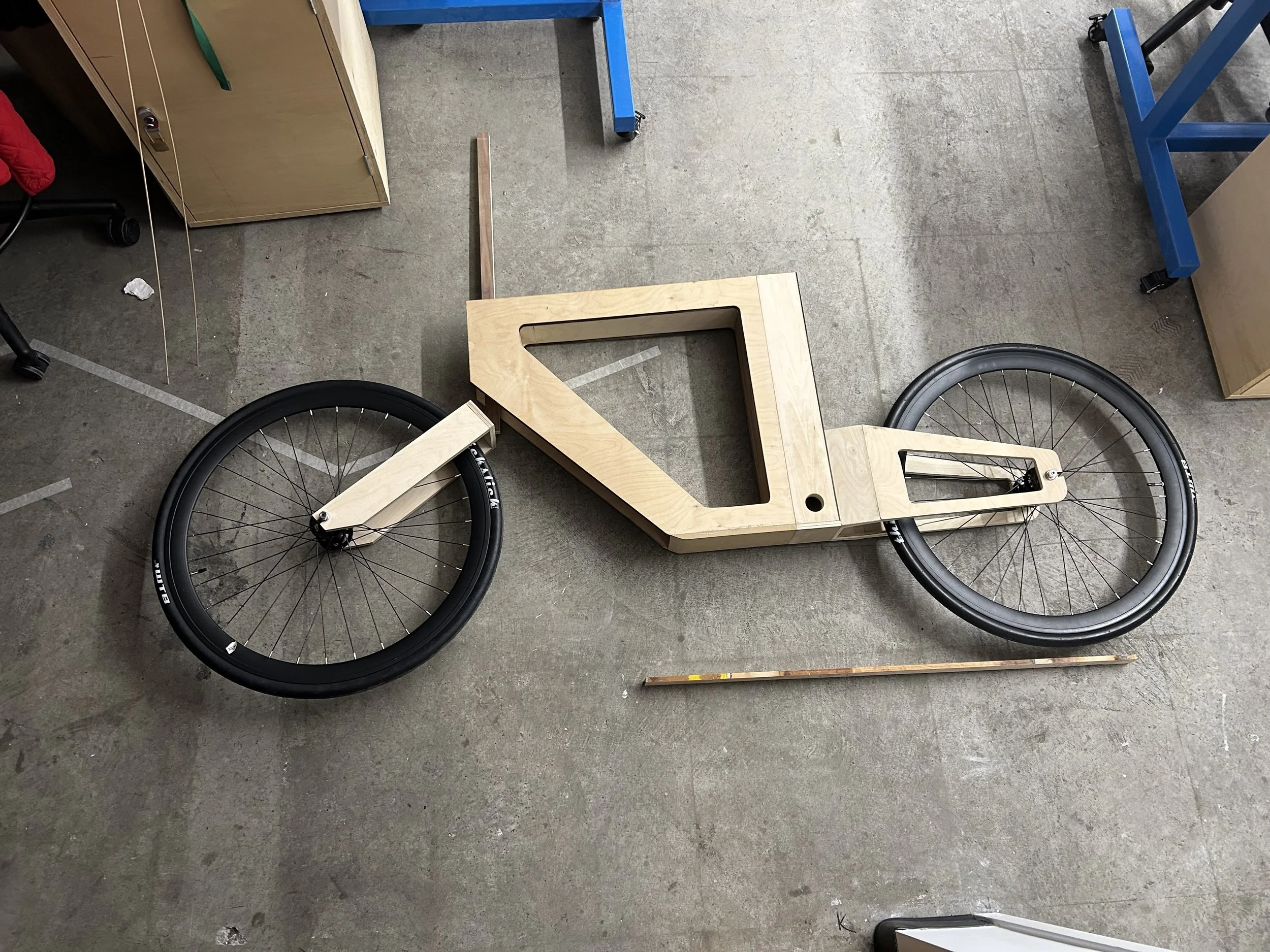
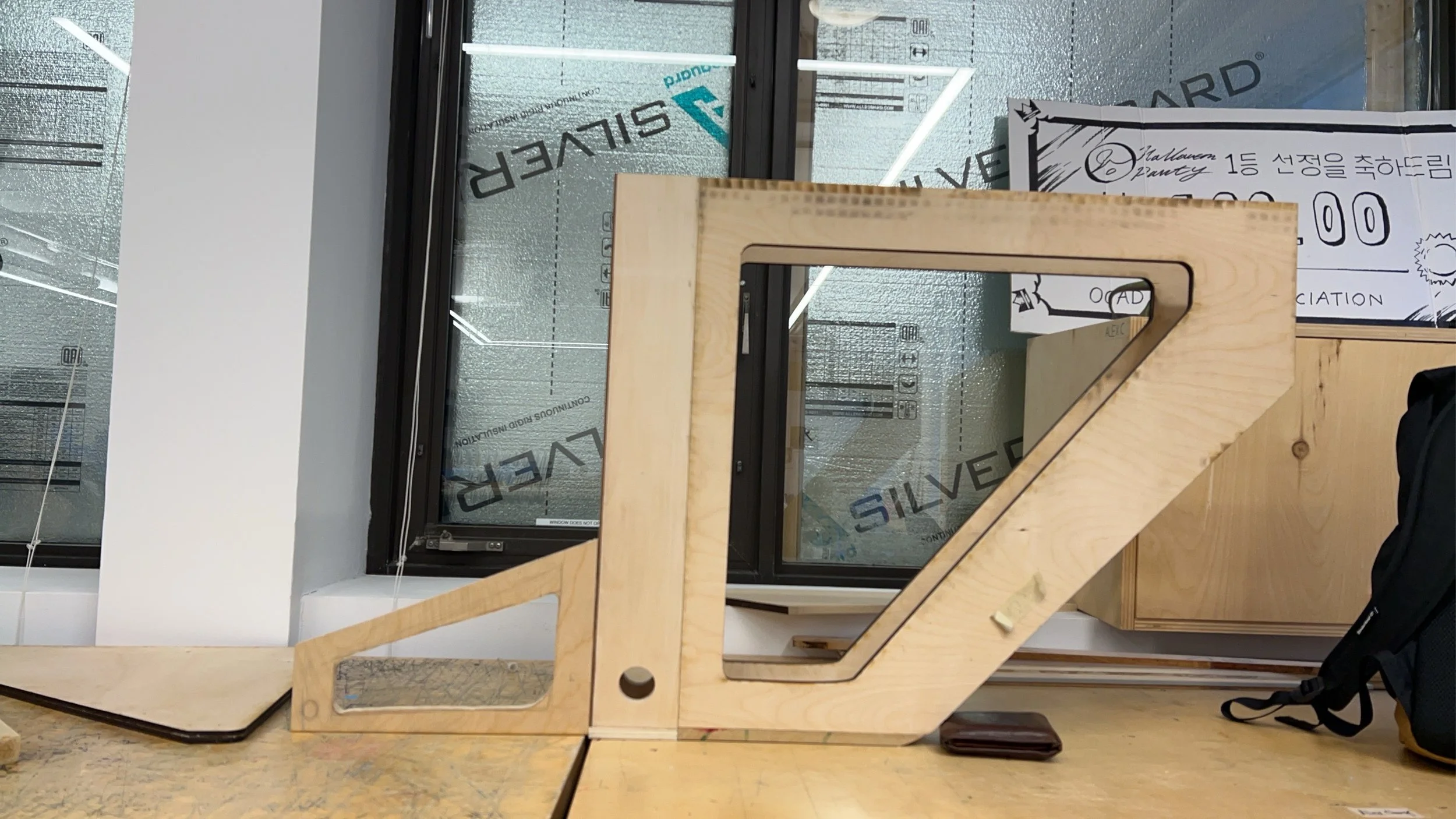
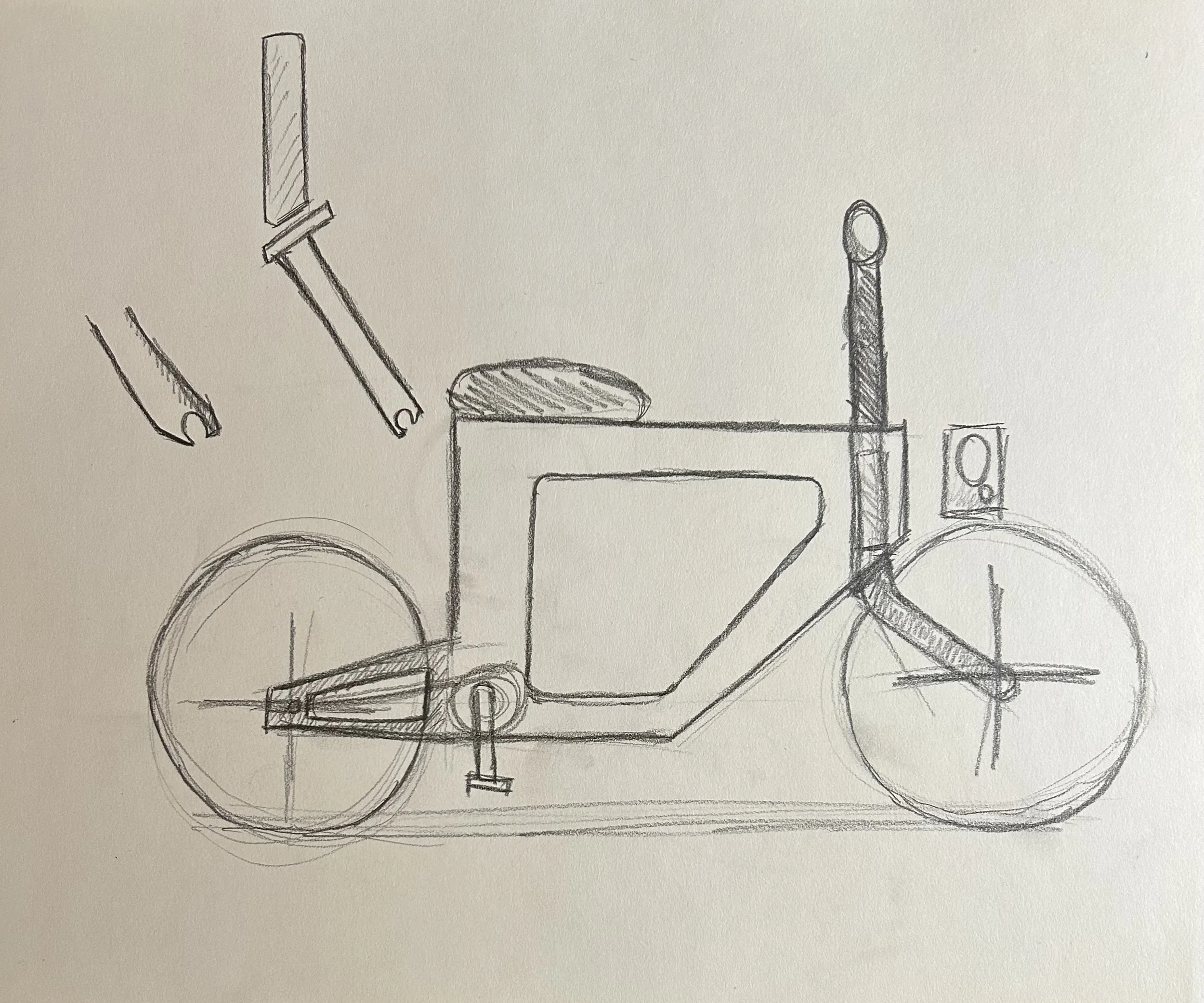
A Toronto commuter e-bike that makes responsible riding stylish, confident, and intuitive—turning “riding by the rules” into a form of self-expression and reducing ticket-prone behaviors through design instead of enforcement.
THE PROBLEM
In cities, e-bike behavior is inconsistent.
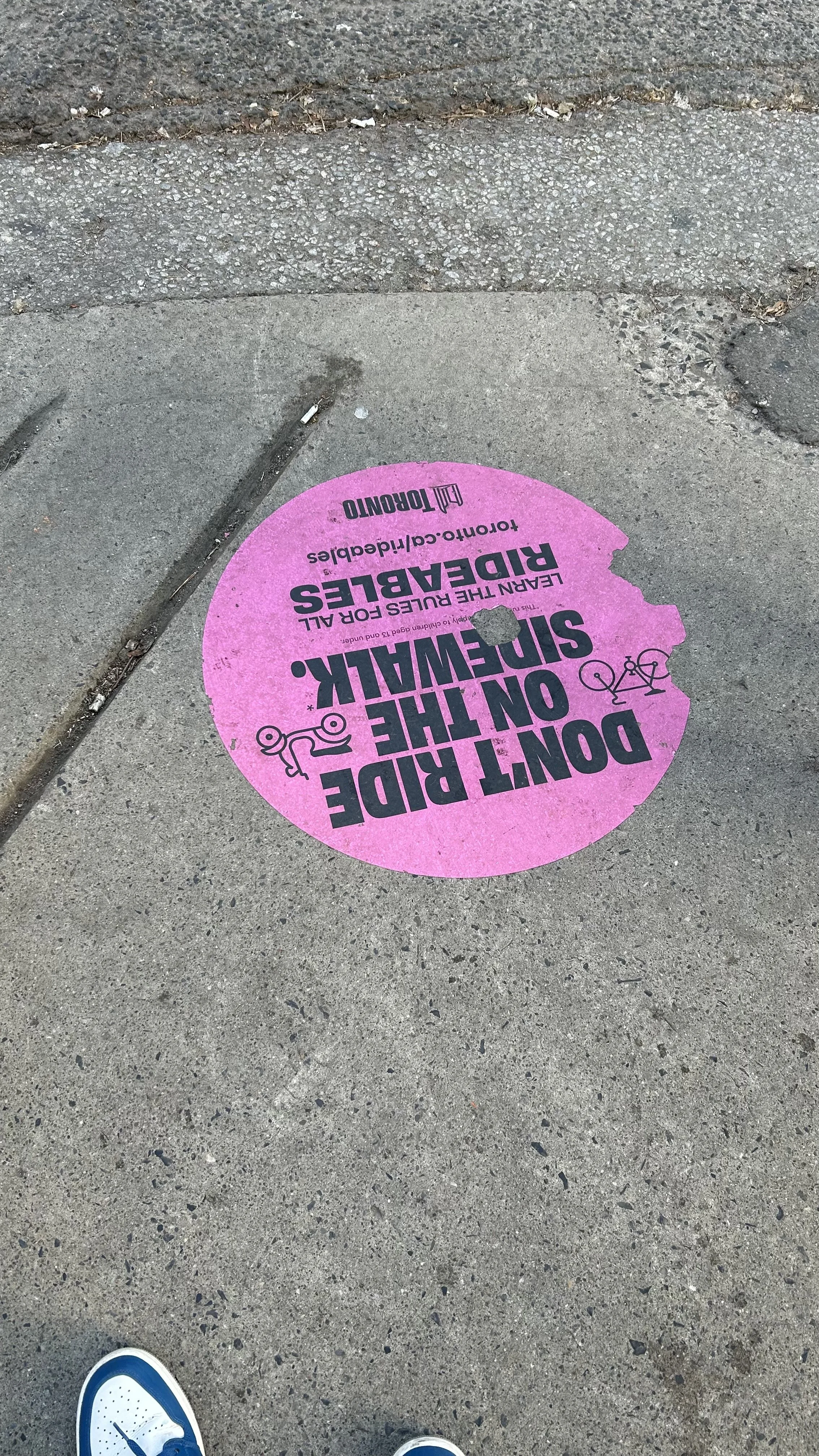
Riders move between sidewalks and roads, creating tension with pedestrians and drivers.
The system lacks clarity, and everyone feels unsafe.
Data That
Tells a Story
2% of Canadians use bicycles as a regular commuting method
Over 60% of cyclists choose routes based on perceived safety
38% think that conflicts between cyclists, pedestrians, and drivers remain a key urban issue
Resources:
Statistics Canada. (2021). Commuting by bicycle in Canada. https://www150.statcan.gc.ca/
Transport Canada. (2020). Cycling safety and behavior in urban environments. https://tc.canada.ca/
City of Toronto. (2022). Cycling network and safety reports.https://www.toronto.ca/
THE REASON
The issue is not just behavior but an unclear spatial hierarchy.
Sidewalks, bike lanes, and roads are not clearly defined in experience.
Riders constantly shift between them, creating confusion..
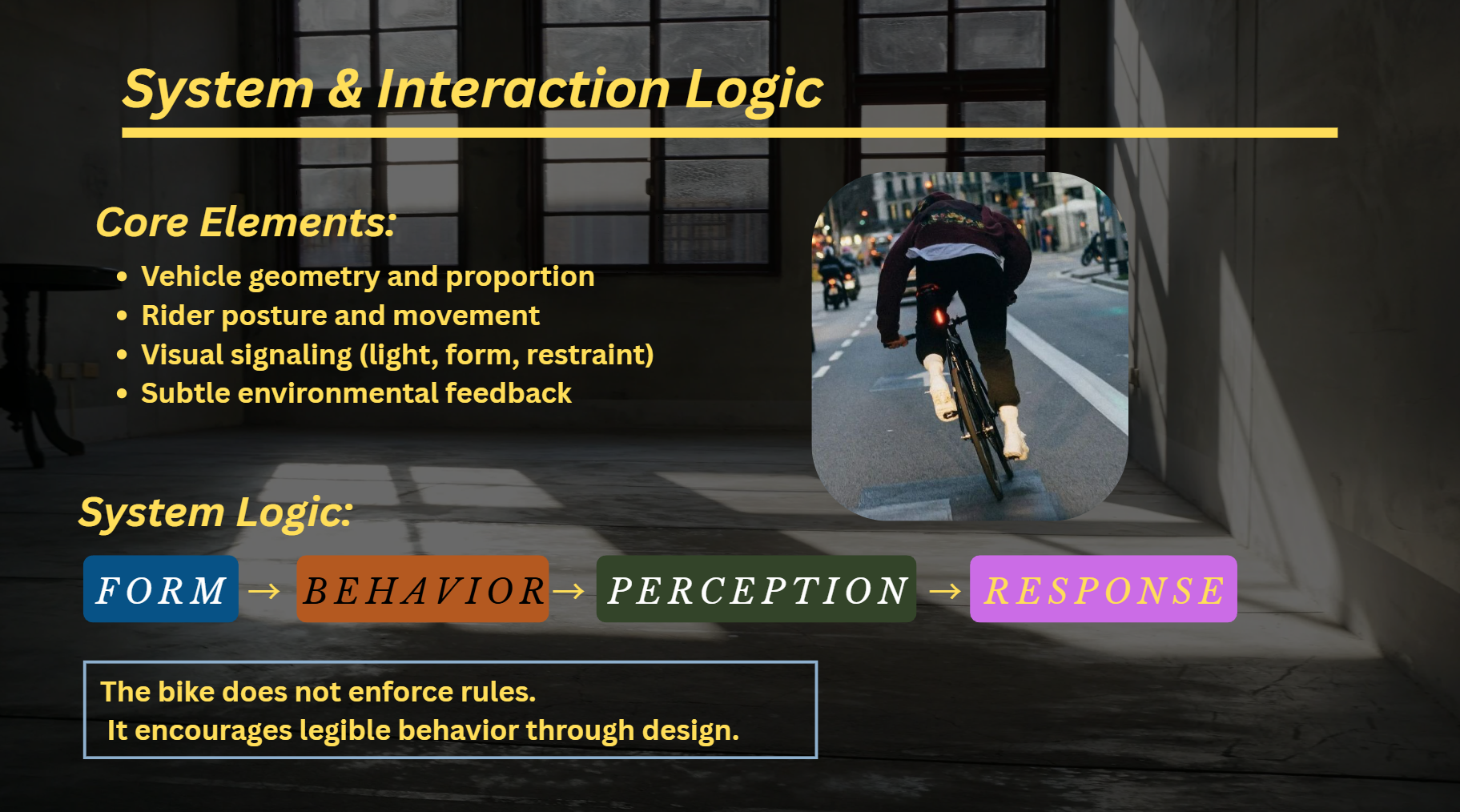
CONTROL DOESN’T WORK. BEHAVIOR IS GUIDED, NOT ENFORCED.
THE SOLUTION
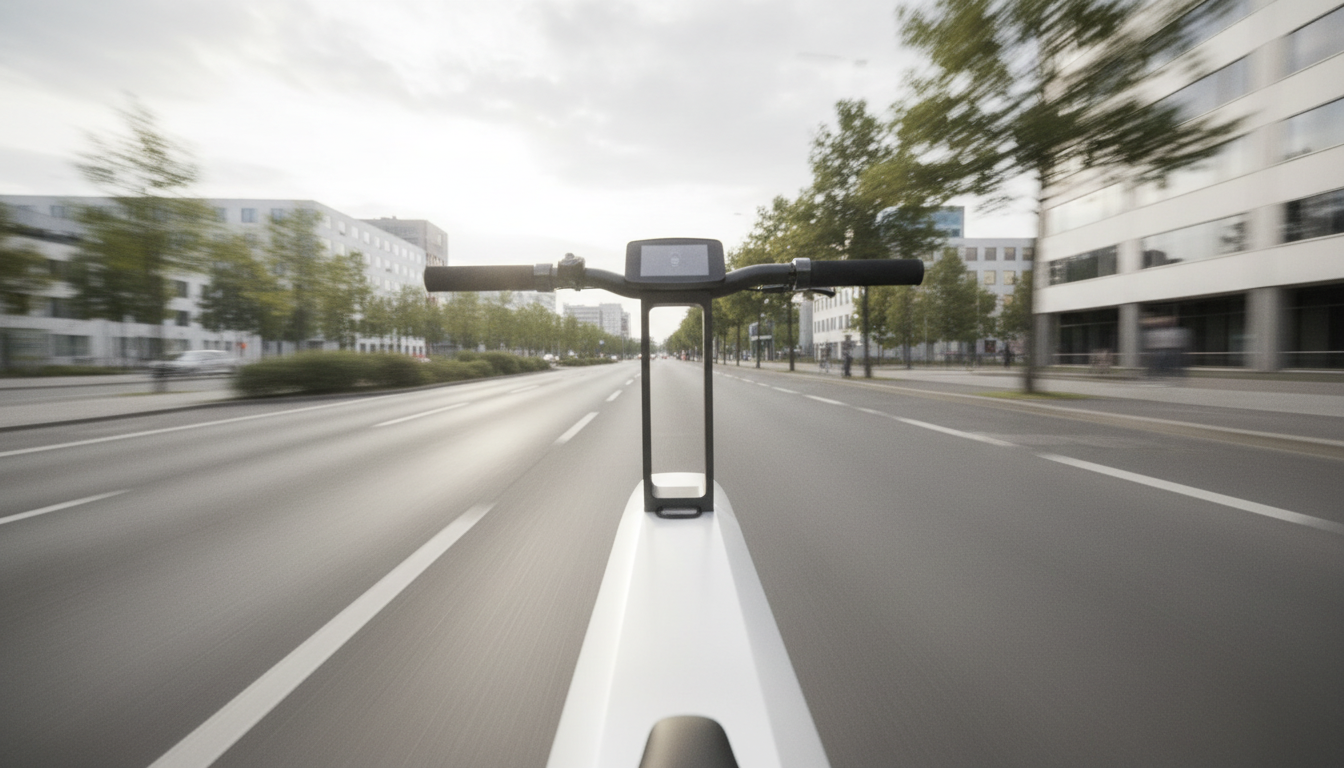
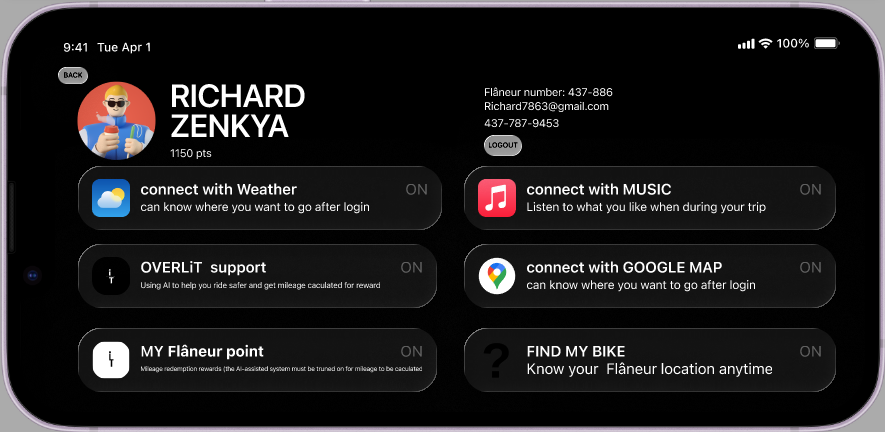
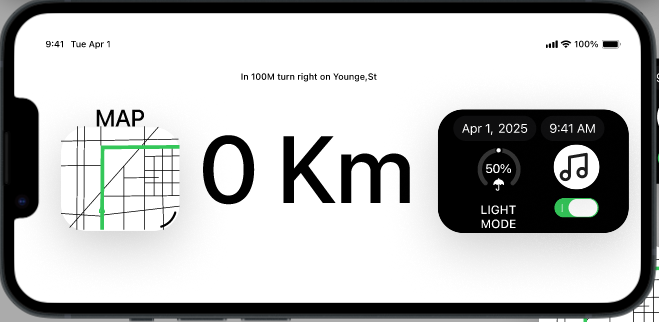
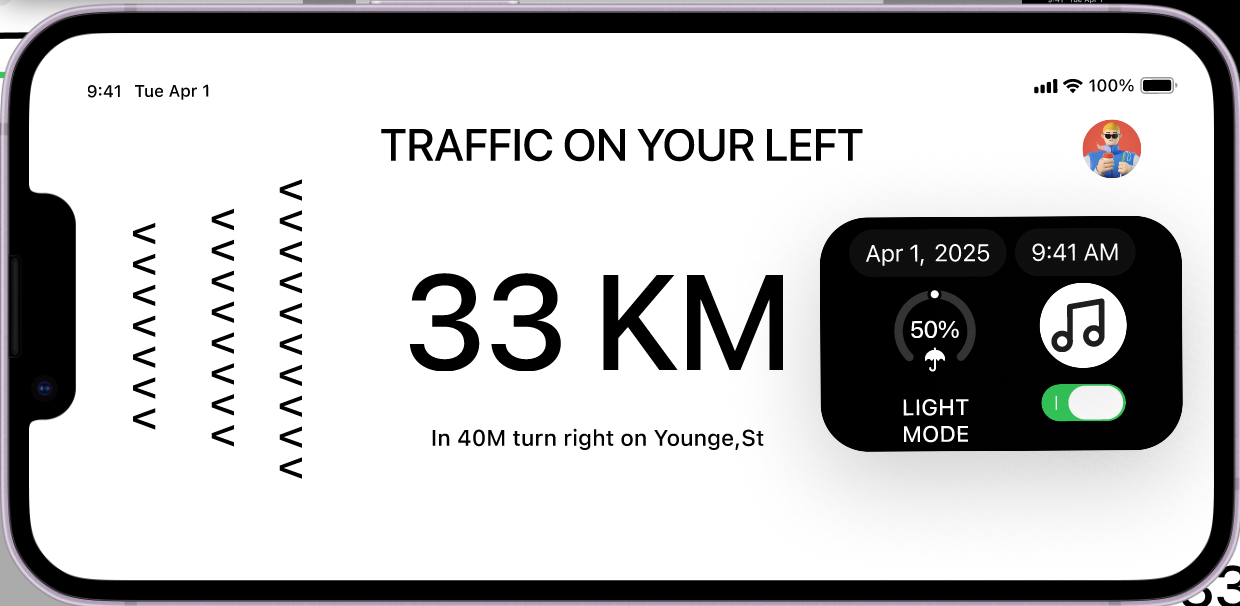
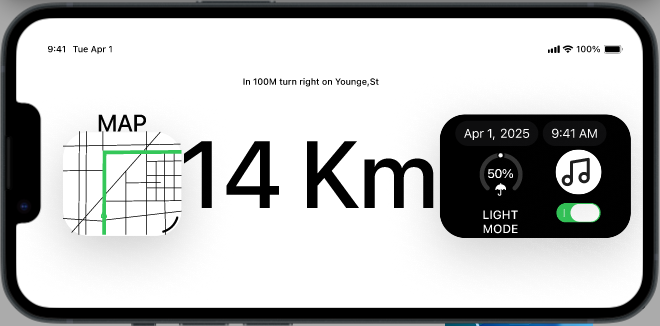
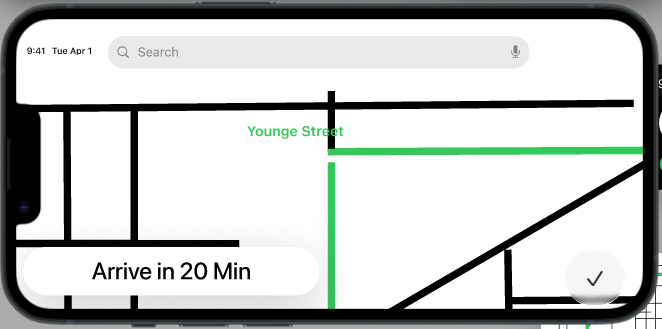
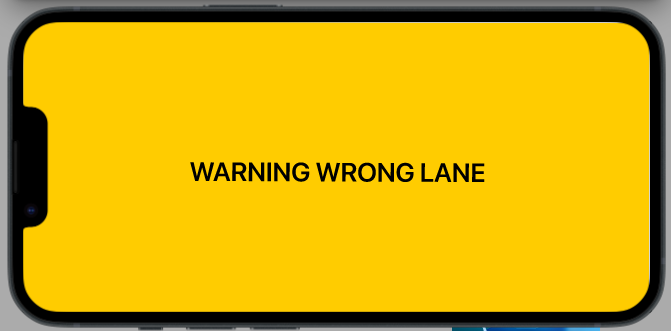
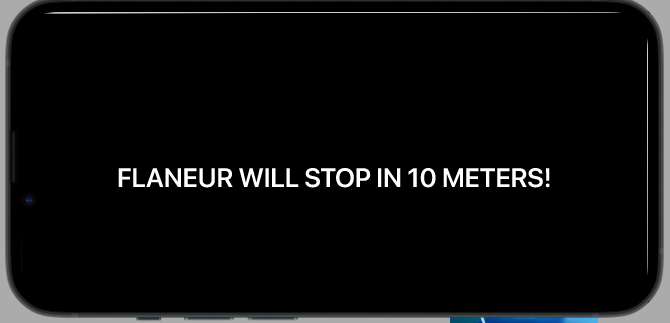
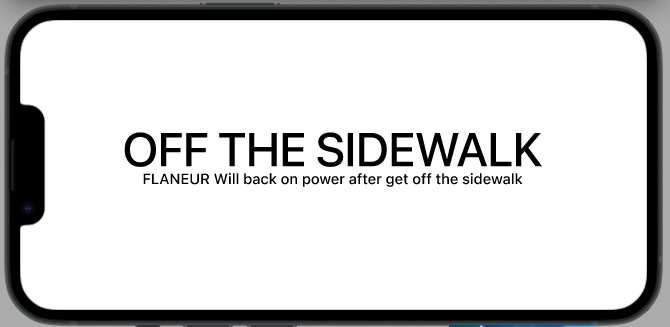
Rider → Perception → Adjustment → Correct Position → Reinforcement
Visual cues/posture / feedback


More information
For reporter interview
For personal commentary
Here’s the link to the reporter interview and personal commentary